
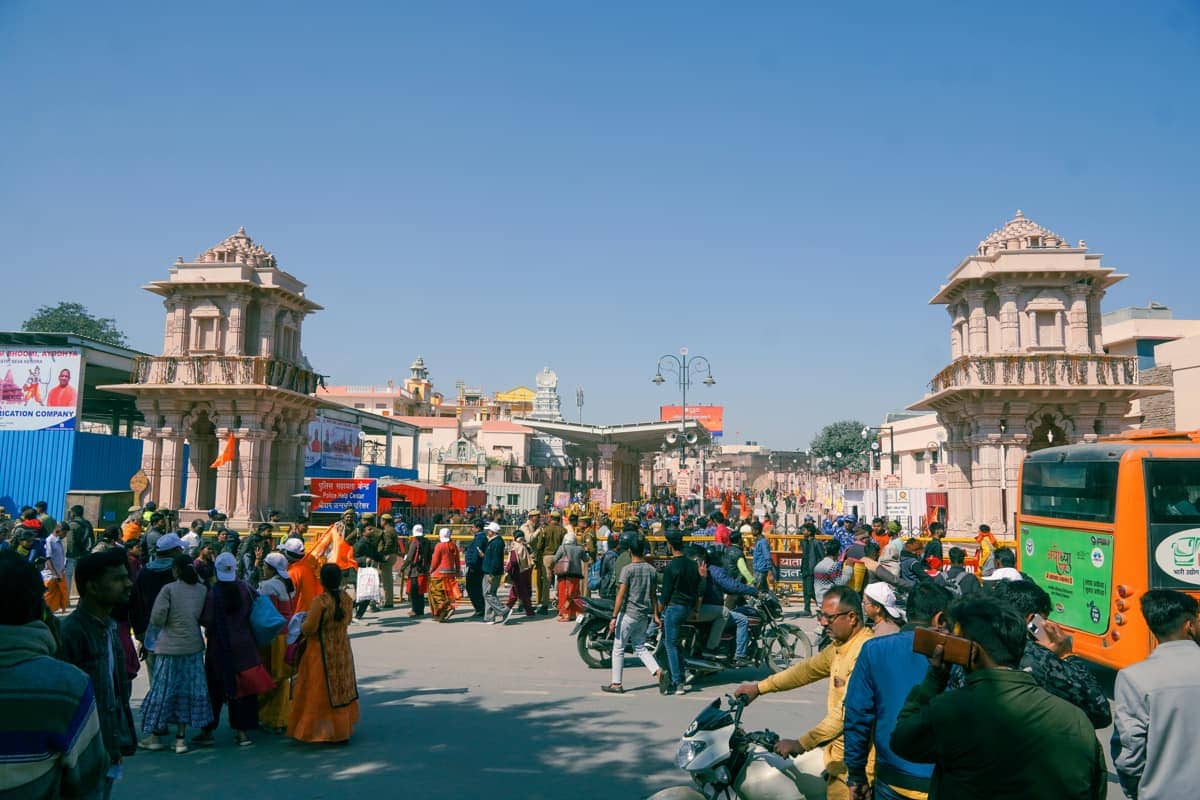
Best Time to Visit Ayodhya: A Complete Month-by-Month Guide
Complete month-by-month guide covering weather, festivals, and expert tips for planning your perfect Ayodhya pilgrimage.
Ayodhya has changed beyond recognition in the last few years. The Ram Janmabhoomi temple has brought millions of new pilgrims to a town that, until recently, saw a steady but modest stream of devotees. That popularity is wonderful for the city — and it means the when of your visit now matters as much as the what.
This guide walks through Ayodhya month by month, so you can pick dates that match the weather you can tolerate, the festivals you want to witness, and the crowds you are willing to stand in.
The short answer
October to March is the best time to visit Ayodhya. The weather is comfortable for walking between temples, the Saryu ghats are pleasant at dawn and dusk, and the city's biggest celebrations fall inside this window. If you want the calmest darshan, aim for the second half of January or the first half of February — after the Deepotsav rush and before Ram Navami builds.
Season by season
Winter (October to February)
Daytime temperatures sit in a comfortable range and evenings turn genuinely cold in December and January, occasionally dipping to single digits. Mornings can be foggy, which is atmospheric on the ghats but does affect road travel and train punctuality.
- What to pack: layers, a warm shawl or jacket for early-morning aarti, and comfortable walking shoes.
- Best for: long temple days on foot, Saryu boat rides, photography in soft winter light.
- Watch out for: dense fog in late December and January, which can delay trains significantly.
Spring (March to early April)
A short, lovely window. Days are warm but not punishing, and the city is busy with Ram Navami preparations. This is one of the most rewarding times to be in Ayodhya if you do not mind crowds — the devotional energy around Ram Navami is unlike any other time of year.
Summer (mid-April to June)
Ayodhya sits in the plains of eastern Uttar Pradesh, and summer here is serious. Afternoon temperatures regularly cross 40°C, and the stone and marble around temple complexes radiate heat well into the evening.
If you must travel in summer, restructure the day rather than abandoning the trip: temples from 5:00 am to 10:00 am, rest through the afternoon, and back out after 5:00 pm. Carry more water than you think you need, and remember that most temple queues involve barefoot walking on hot ground.
Monsoon (July to September)
Rain brings the temperature down and the Saryu up. The city looks green and washed clean, and crowds thin considerably — which some pilgrims prefer. The trade-offs are humidity, waterlogged lanes in the older parts of town, and the occasional disruption to ghat access when the river runs high. Sawan (roughly late July to August) sees its own surge of devotees, particularly around the Jhula festivities.
Month-by-month at a glance
| Months | Weather | Crowds | Verdict |
|---|---|---|---|
| October – November | Pleasant, clear | Very high around Deepotsav | Spectacular, but book far ahead |
| December – January | Cold, foggy mornings | Moderate | Best balance of comfort and calm |
| February | Mild and dry | Moderate | Excellent all-round choice |
| March – early April | Warm | High near Ram Navami | Great if you want the festival |
| Mid-April – June | Very hot | Lower | Only with an early-morning plan |
| July – September | Humid, rainy | Lower, spikes in Sawan | Green and quiet, less comfortable |
Festivals worth planning around
Deepotsav
Held around Diwali, Deepotsav is Ayodhya's signature celebration — lakhs of earthen lamps lit along the Saryu ghats and across Ram Ki Paidi. It is genuinely breathtaking and genuinely crowded. Accommodation in and around Ayodhya is booked out weeks in advance, and road access near the ghats is restricted on the main evening. Plan to arrive a day or two early and stay put.
Ram Navami
Lord Ram's birth is celebrated in the Chaitra month, usually falling in late March or April. Expect enormous queues at the Janmabhoomi complex and a city-wide festive atmosphere, with processions and continuous recitation of the Ramcharitmanas.
Sawan Jhula and Kartik Purnima
The Jhula (swing) festivities in Sawan and the ritual bathing of Kartik Purnima both draw large numbers. Kartik Purnima in particular fills the Saryu ghats before sunrise.
Planning notes that actually matter
- Book accommodation before you book travel during Deepotsav, Ram Navami and Kartik Purnima. Rooms, not trains, are the bottleneck.
- Start early. Darshan queues are shortest in the first hour after the temple opens, in every season.
- Leave phones and leather in the vehicle. Several temples restrict mobile phones, cameras and leather items, and cloakroom queues eat into your day.
- Give yourself two days. One day is enough for the Janmabhoomi complex and Hanuman Garhi, but Kanak Bhawan, Nageshwarnath, Guptar Ghat and a Saryu boat ride deserve a second.
- Dress modestly and simply. Cotton in summer, layers in winter, and footwear you can slip on and off repeatedly.
A suggested two-day plan
Day one: Early Saryu snan and sunrise at the ghats, Hanuman Garhi, Ram Janmabhoomi darshan, Kanak Bhawan. Rest in the afternoon, then Ram Ki Paidi and the evening aarti.
Day two: Nageshwarnath Temple, Dashrath Bhawan, Guptar Ghat, and a boat ride on the Saryu. If time allows, add Lata Mangeshkar Chowk and the newer riverfront developments in the evening.
Final word
Ayodhya rewards unhurried visits. The temples are close together, but the city's atmosphere — the bells, the ghats at first light, the sound of the Ramcharitmanas drifting out of doorways — is the part most pilgrims remember. Pick your season for comfort, pick your dates for the festival you care about, and give yourself an extra day to simply be there.


