About Ayodhya
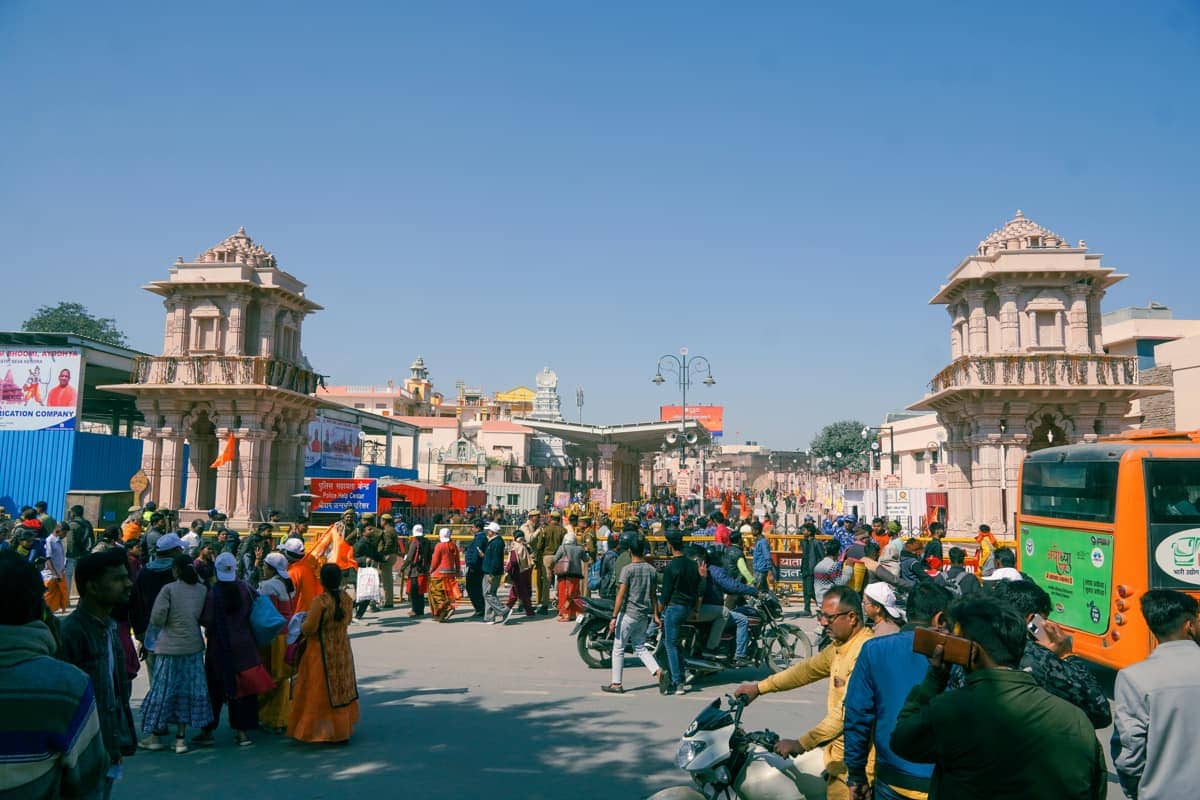
Ayodhya sits on the right bank of the Saryu in eastern Uttar Pradesh, and for millions of Hindus it is where the story begins. As the janmabhoomi of Lord Ram and the capital of the Kosala kingdom in the Ramayana, it has drawn pilgrims for centuries — but the opening of the Ram Mandir has transformed the town into one of India’s most visited spiritual destinations.
What strikes most first-time visitors is how walkable it is. The major temples sit within a compact area, the ghats are minutes away, and the whole town moves to the rhythm of aarti bells and the Ramcharitmanas being recited from doorways.
What to see
Ram Janmabhoomi Temple
The reason most pilgrims come. Security is thorough and mobile phones are not permitted inside, so plan for cloakroom time. Queues are shortest in the first hour after opening.
Hanuman Garhi
A hilltop temple reached by around seventy steps, traditionally visited before the Janmabhoomi darshan. The view over the town from the top is worth the climb on its own.
Kanak Bhawan
Said to have been gifted to Sita Mata by Kaikeyi, this is one of Ayodhya’s most beautiful temples — quieter than the headline sites and richly decorated.
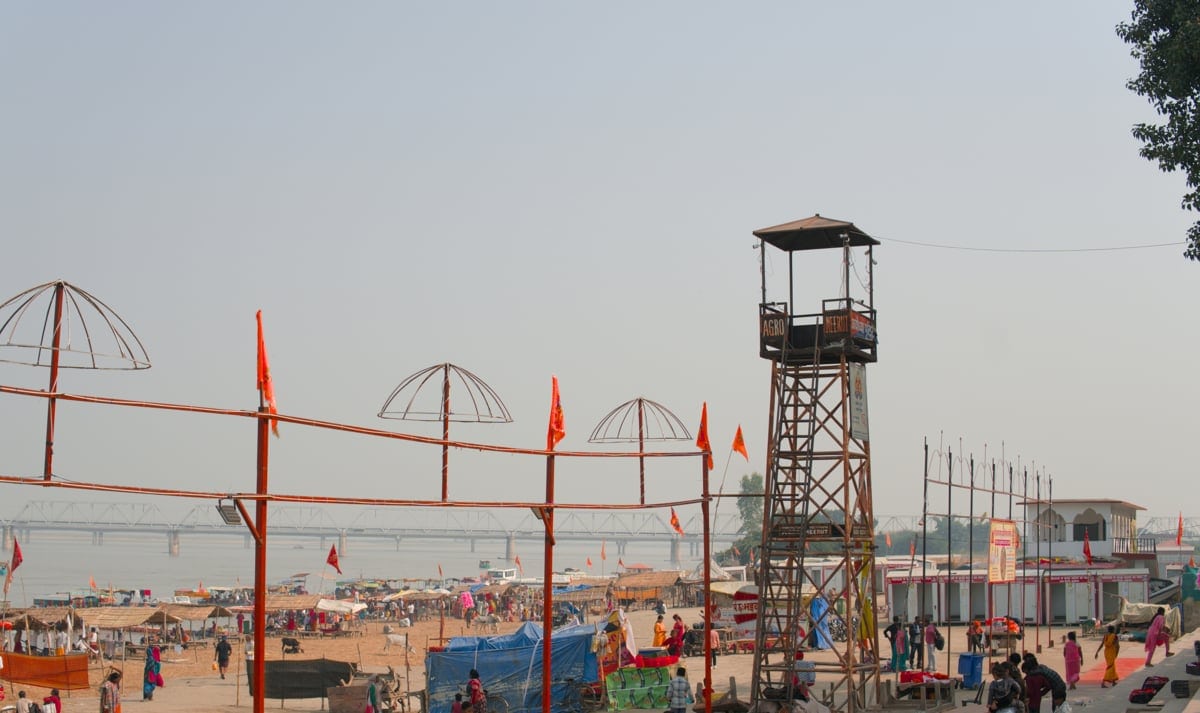
Ram Ki Paidi and the Saryu ghats
The stepped riverfront comes alive at dawn and again at dusk. During Deepotsav around Diwali, lakhs of earthen lamps are lit along these ghats.
Nageshwarnath Temple
Believed to have been established by Kush, son of Lord Ram. It is the focal point of Ayodhya’s Shivratri celebrations.
Guptar Ghat
A calmer stretch of riverbank a little away from the centre, associated with Lord Ram’s final journey. Good for an unhurried evening.
Best time to visit
October to March is comfortable for long temple days on foot. December and January bring cold mornings and fog; April to June is very hot and best handled with an early-morning schedule. The monsoon is green and quiet but humid.
Festivals
- Deepotsav — around Diwali, the town’s signature celebration on the Saryu ghats.
- Ram Navami — Lord Ram’s birth, usually late March or April, with enormous crowds.
- Kartik Purnima — ritual bathing that fills the ghats before sunrise.
- Sawan Jhula — the swing festivities of the monsoon month.
Getting there
Ayodhya Dham Junction connects the town by rail, and Maharishi Valmiki International Airport now handles direct flights from several Indian cities. By road it is roughly two hours from Lucknow and around four from Varanasi. We arrange pickups from all three.
Practical notes
- Leave phones, cameras and leather items in the vehicle — several temples restrict them.
- Wear slip-on footwear; you will remove it many times in a day.
- Two days is the right length: one for the Janmabhoomi complex and Hanuman Garhi, one for the quieter temples and the river.
- Book accommodation well ahead for Deepotsav, Ram Navami and Kartik Purnima.